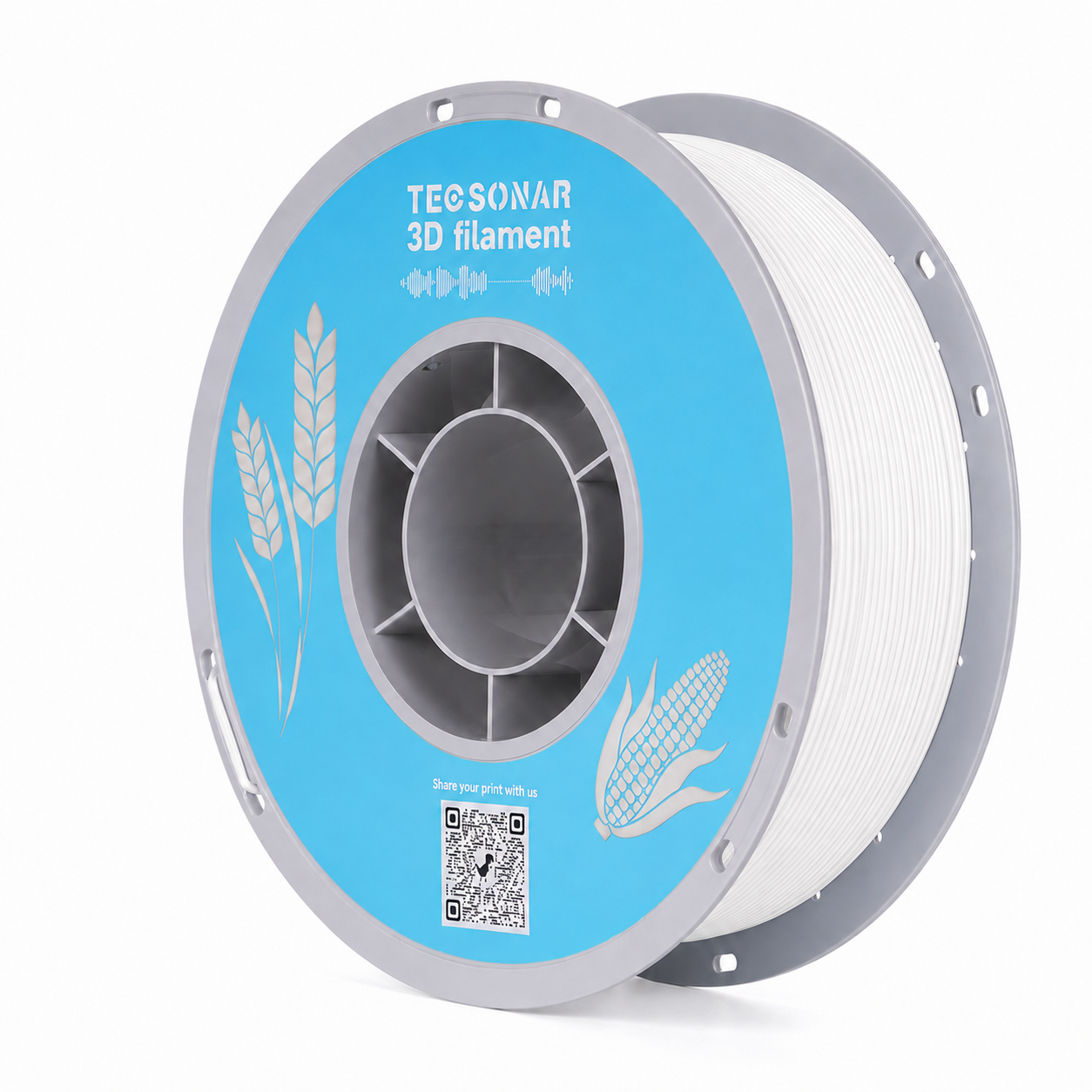
PP Filament
PP Filament is a lightweight and durable polypropylene material designed for functional 3D printing applications that require toughness, chemical resistance and excellent fatigue resistance. Its ability to withstand repeated bending makes it especially suitable for living hinges, snap-fit parts, containers and lightweight functional components.
Material: Polypropylene (PP)
Diameter: 1.75 mm
Key Properties: Lightweight / Chemical Resistant / Fatigue Resistant / Tough
Packaging: Standard or Customized Packaging
Product Description
PP Filament is a lightweight and durable polypropylene material developed for functional 3D printing applications that require toughness, chemical resistance and excellent fatigue performance. Its low-density characteristics make it particularly suitable for parts where weight reduction is important without sacrificing practical durability.
One of the key advantages of polypropylene is its resistance to repeated bending and flexing. This makes PP especially suitable for living hinges, snap-fit structures, flexible connectors and other components that experience repeated movement during use. Compared with more rigid general-purpose materials, PP can provide better long-term flexibility for these applications.
PP also offers good resistance to many common chemicals, making it useful for containers, laboratory accessories, protective components and functional parts that may come into contact with oils, cleaning agents or other substances. Its combination of toughness and lightweight performance also supports use in automotive, packaging and industrial applications.
For B2B customers, Tecsonar supports bulk orders, private labeling, customized packaging and project-based material requirements. PP Filament provides manufacturers, distributors and 3D printing service providers with a practical material option for lightweight, fatigue-resistant and chemical-resistant functional parts.
Lightweight Durability for Repeated-Use Parts
PP Filament combines low weight, toughness, chemical resistance and excellent fatigue performance. Its ability to withstand repeated bending makes it especially suitable for living hinges, containers, snap-fit structures and lightweight functional components.
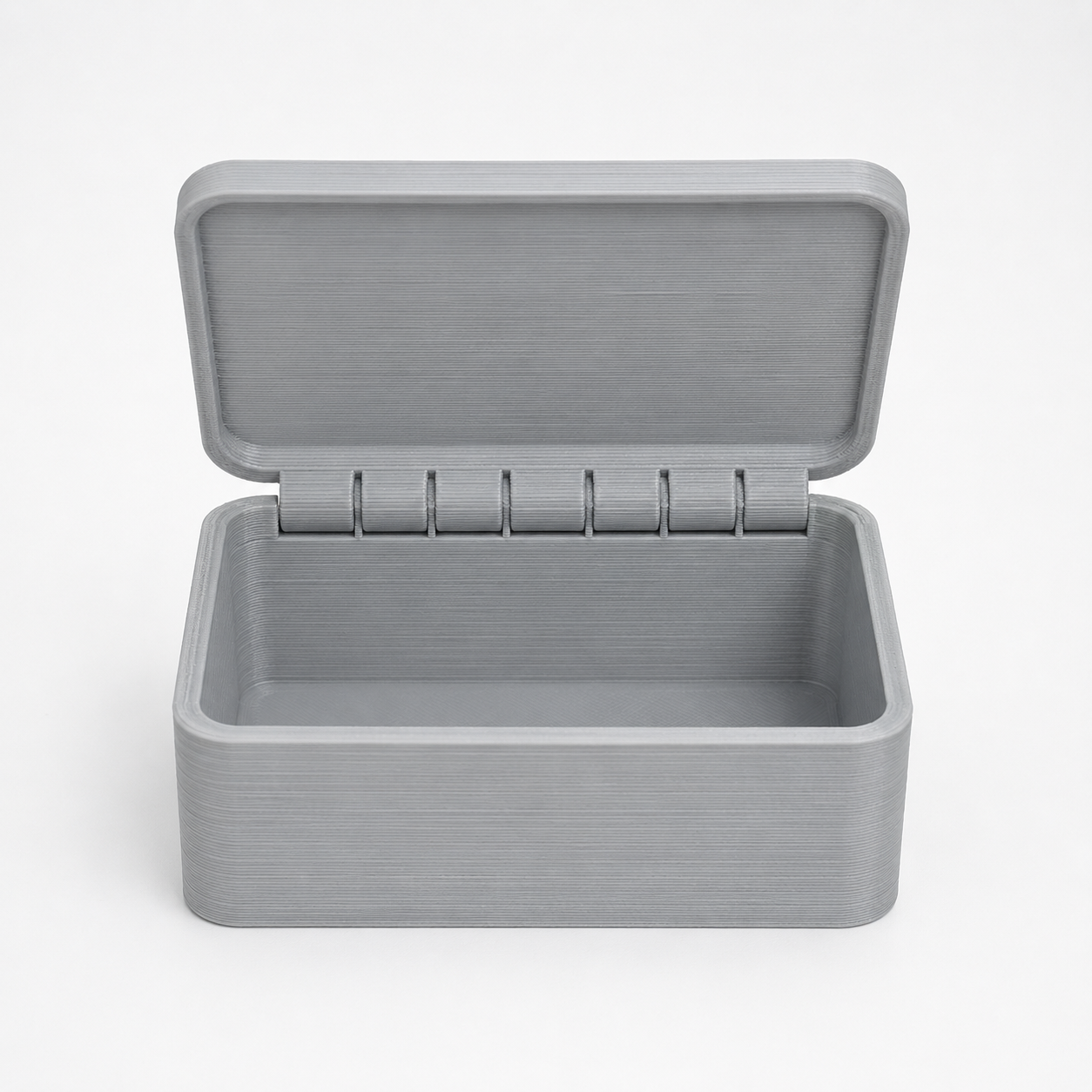
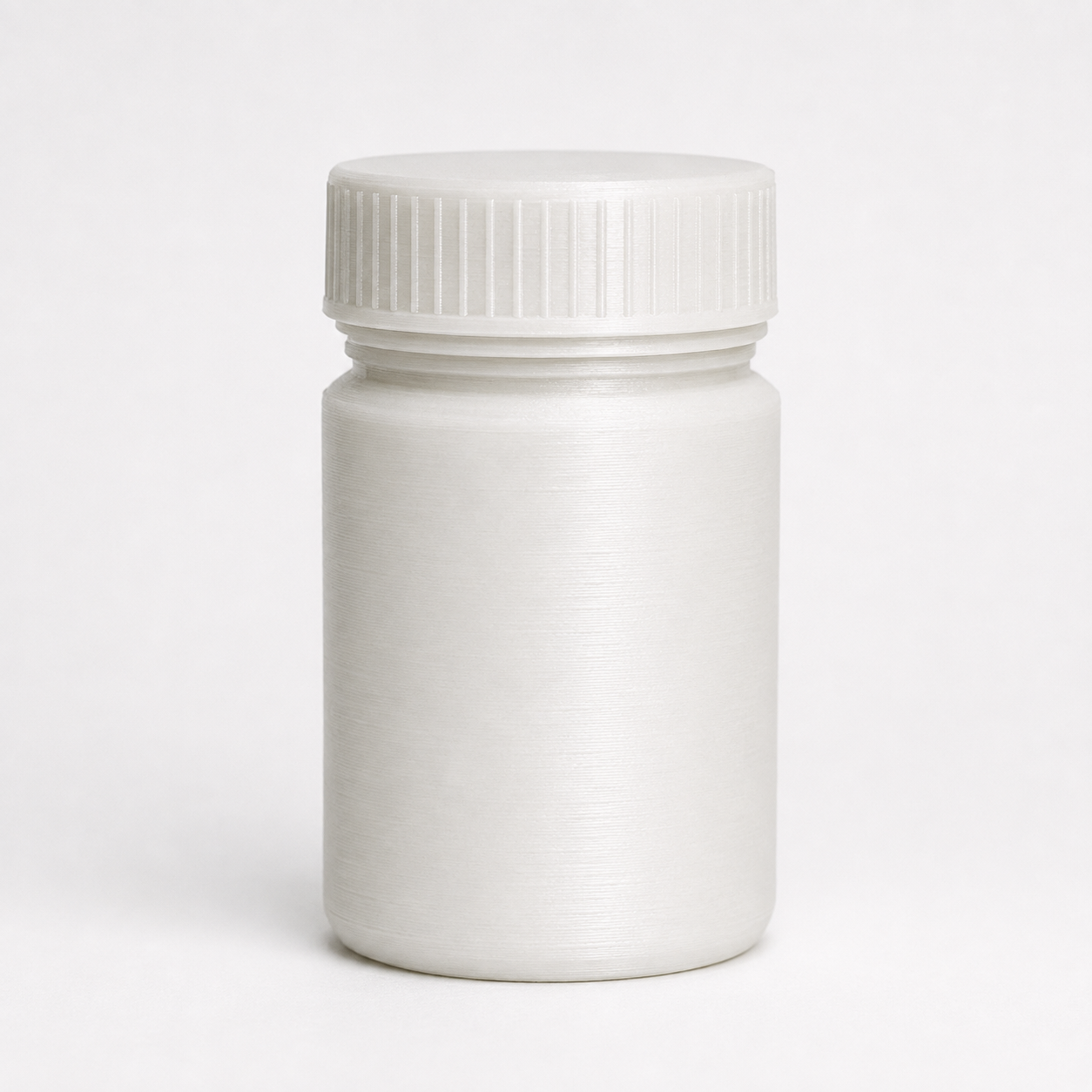
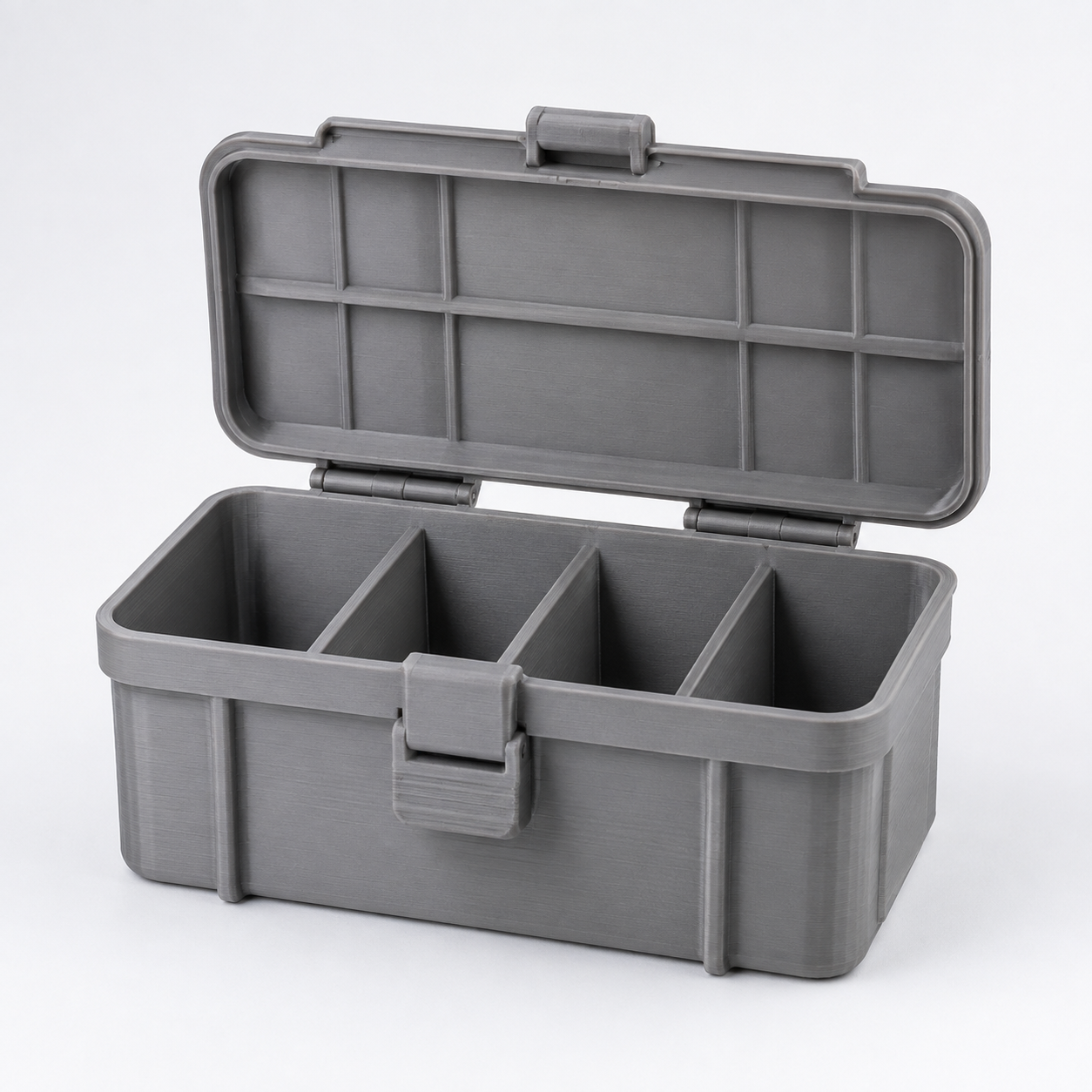
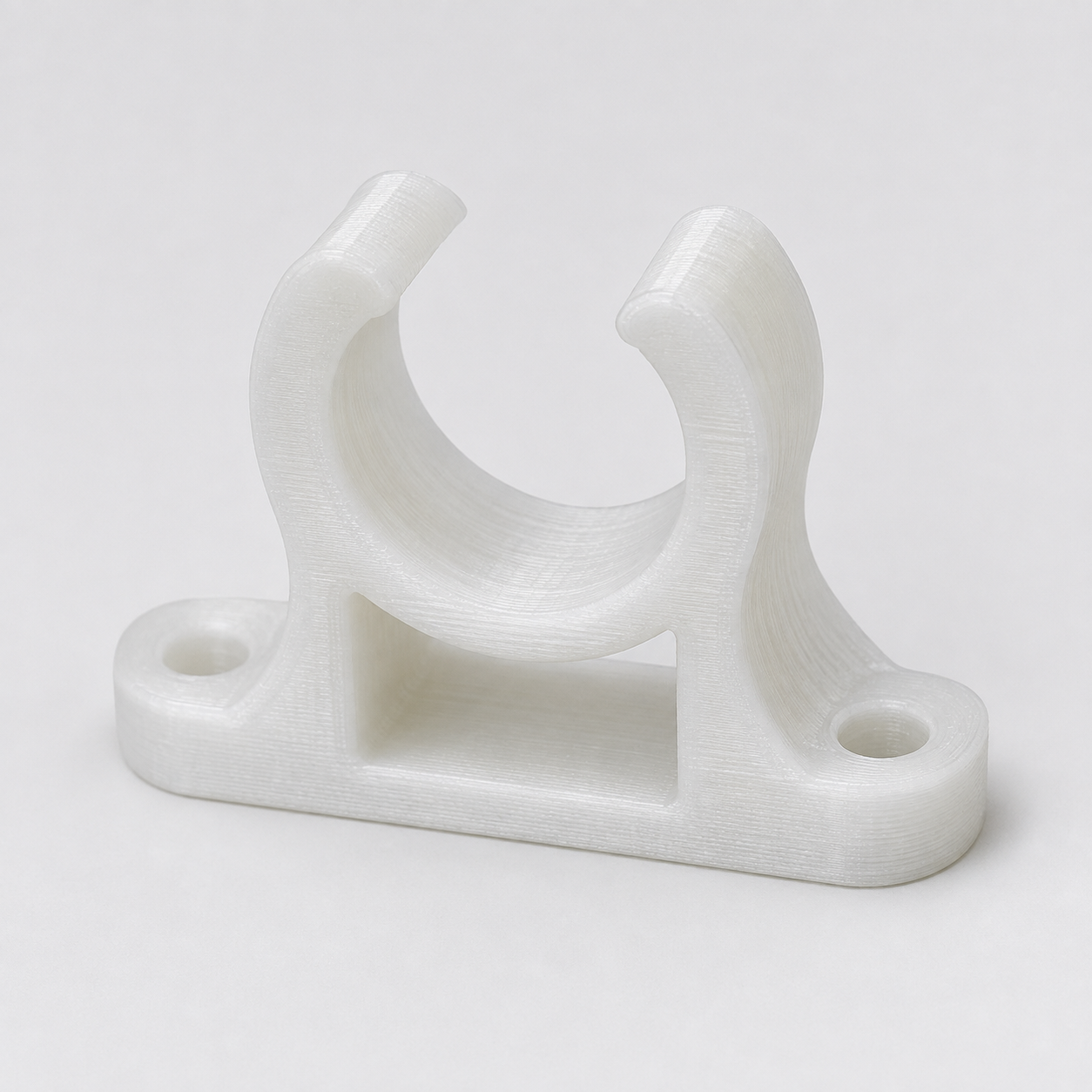
Lightweight Performance for Durable Functional Parts
PP Filament combines low weight, toughness, fatigue resistance and chemical resistance, making it suitable for functional parts that require repeated movement, long-term durability and lightweight construction.
PP Material Positioning
PP Filament is particularly suitable for applications that benefit from low weight, repeated flexing and chemical resistance. Its fatigue-resistant behavior distinguishes it from more rigid general-purpose materials and makes it a strong option for living hinges, snap-fit parts and lightweight functional components.
Printing Parameters
| Parameter | Recommended Setting |
| Nozzle Temperature | 230–250°C |
| Heated Bed Temperature | 70–100°C |
| Printing Speed | 30–80 mm/s |
| Cooling Fan | 50–100% |
| Recommended Build Surface | Dedicated PP Build Surface, PP Tape, or Glass with PP-Specific Adhesive |
Applications
PP Filament is particularly suitable for functional applications that require lightweight construction, repeated bending and long-term durability. Typical uses include living hinges, snap-fit components, reusable containers, flexible connectors and lightweight mechanical parts.
Its chemical resistance also makes it useful for laboratory accessories, storage components, protective housings and parts that may come into contact with oils, cleaning agents or other common chemicals.
For industrial and customized applications, PP can also be used for automotive components, packaging prototypes, lightweight structural parts and functional products where fatigue resistance and repeated flexing are important.